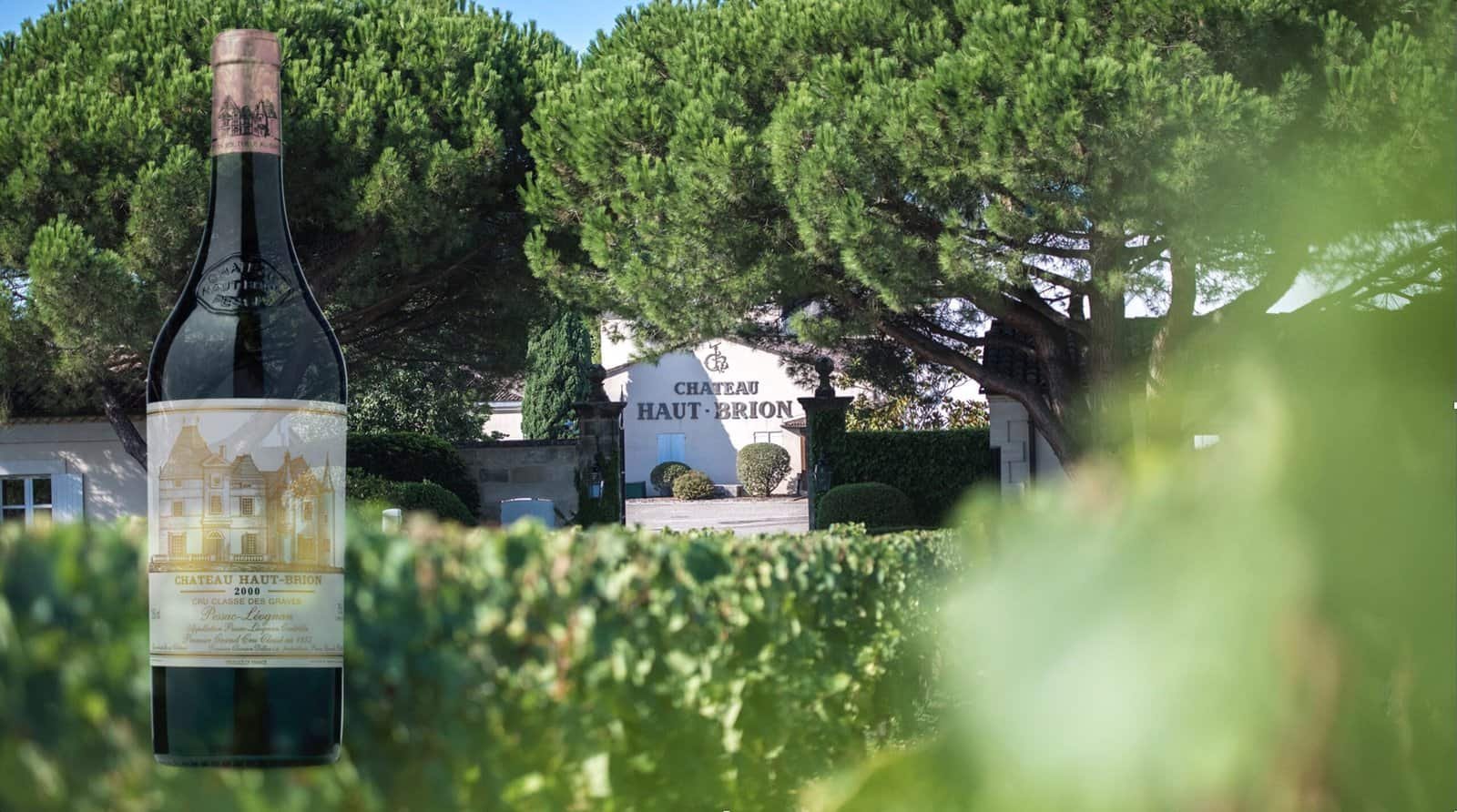
We were gathering in the lovely town of Zofingen to look at a span of nearly one century of Chateau Haut Brion. The tasting was organized by Peter Wirth, a collector from Langethal, looks like they not only cheese there… Chateau Haut-Brion occupies a unique position among the five Bordeaux First Growths. One of the four estates originally classified as Premier Cru in 1855, it was the only property outside the Médoc to receive this distinction, alongside Lafite, Latour and Margaux, with Mouton Rothschild joining the ranks in 1973. Its history stretches back to the 16th century, making it one of Bordeaux’s most historically significant estates. Situated in Pessac, on the southern outskirts of Bordeaux, Haut-Brion is distinguished not only by its location but also by its cépage. Whereas the great Médoc First Growths are predominantly Cabernet Sauvignon-based, Haut-Brion traditionally incorporates a considerably higher proportion of Merlot, often approaching half the vineyard plantings, alongside Cabernet Sauvignon and Cabernet Franc. The result is a wine that can display a particularly distinctive combination of earthy complexity, tobacco, warm gravel, supple texture and aromatic richness. Robert Parker was among Haut-Brion’s most enthusiastic champions, particularly of its legendary 1989, while Neal Martin has frequently examined the estate through the lens of vintage variation, maturity and classical Bordeaux balance.
Haut-Brion’s character is inseparable from its terroir. Its deep gravel soils, interspersed with clay and sand, provide excellent drainage while contributing to the wine’s structural foundation. Yet the estate’s location, surrounded by the urban environment of Bordeaux and Pessac, sets it apart from the more exposed vineyards of Pauillac and Margaux along the Gironde estuary. Its relatively sheltered and potentially warmer mesoclimate, combined with the generous contribution of Merlot, has historically helped Haut-Brion achieve attractive ripeness even in challenging seasons. In the cooler decades of the 1970s and 1980s, this was often a considerable advantage. Today, however, with rising temperatures and more frequent heat extremes, the same characteristics raise an intriguing question: does Haut-Brion’s natural propensity for richness sometimes come at the expense of the restraint, freshness and aristocratic precision that define the greatest classical Bordeaux?
Overall assessment: When generosity becomes excess
This extensive vertical, spanning vintages from 1928 to 2017, nearly a century, provided a fascinating opportunity to examine that question. The conclusion was not simply the extraordinary longevity of Haut-Brion, demonstrated by the remarkable 1928 and the monumental 1989, but the estate’s consistently impressive performance in supposedly lesser, cooler vintages. The 1987, 1993, 1999, 2002 and 2012 all performed very well, displaying fragrance, freshness, composure and a distinctly classical Bordeaux character. These wines were often more satisfying than their more celebrated counterparts from warmer or more structured years. The 1989 stood apart as a truly monumental wine, combining remarkable concentration with extraordinary complexity and balance, while the 2010 demonstrated that Haut-Brion remains capable of producing wines of the very highest order in the modern era.
The more troubling pattern emerged in several warmer vintages. The 2003 was distinctly overripe, displaying cooked fruit, roasted aromas and an almost Port-like character, while the 2009 showed similar tendencies, albeit in a less extreme form. Even the otherwise impressive 2000 and 2005 raised questions about the trajectory of their ripe fruit profiles as they mature. My hypothesis is that Haut-Brion’s comparatively high proportion of Merlot, together with its warmer, more urban-influenced location, may have shifted from being an advantage in the cooler climate of previous decades to a potential liability in certain contemporary vintages. This is not a universal rule, the magnificent 1989 and 2010 are compelling counterexamples, but it is a pattern worth considering. At its finest, Haut-Brion possesses all the complexity, authority and nobility of a First Growth. At its least convincing, excessive ripeness, elevated alcohol impressions and a lack of aromatic restraint can obscure the aristocratic precision that I particularly admire in the great Cabernet-dominated wines of the Médoc. The lesson from this tasting was clear: at Haut-Brion, the greatest vintages are not necessarily the warmest or most powerful, but those in which ripeness and freshness achieve a convincing equilibrium.
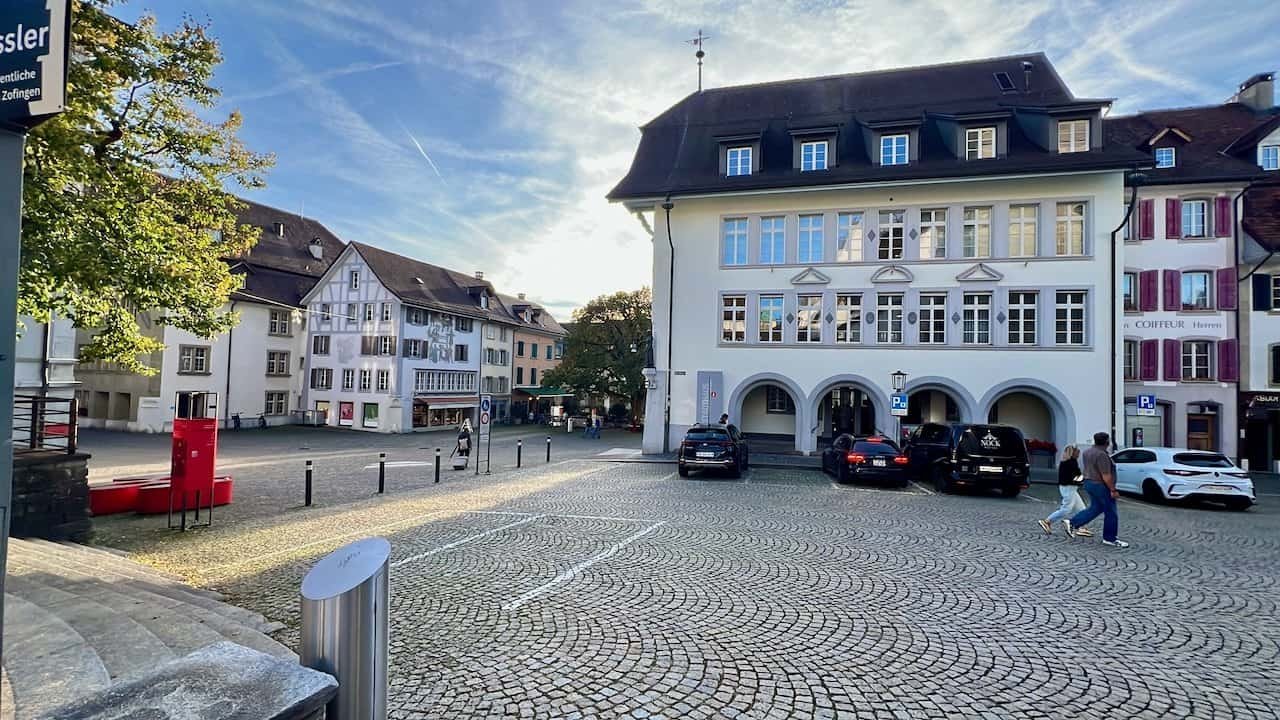
The picturesque old town of Zofingen on a lovely fall afternoon
Tasting notes
Flight 1 – Classics from the 1980s
1985 Château Haut-Brion – 94 points
A beautifully aristocratic bouquet, with the unmistakable signatures of mature Graves: forest floor, pine needles, damp earth and a gentle woodland character. Light-bodied on the palate, with little primary fruit remaining, but the tannins are fully resolved and the wine retains an attractive sense of poise. Clean and composed after four decades, though a slightly less pristine, mushroom-inflected note emerges on the finish. Fully mature, in very respectable condition. Drink up.
1986 Château Haut-Brion – 88 points
More amber at the rim than the 1985, with a comparatively subdued bouquet that never quite finds its voice. The palate is dominated by firm, rather unforgiving tannins, without sufficient fruit concentration to provide the necessary counterweight. This confirms my longstanding reservations about the 1986 vintage in Bordeaux: impressive structure on paper, perhaps, but too often the fruit has faded before the tannins have softened sufficiently. A stern, rather joyless Haut-Brion.
1987 Château Haut-Brion – 93+ points
A lovely surprise. The bouquet is immediately appealing, fragrant and finely nuanced, with delicate spices, gingerbread and a gentle warmth of mature tertiary complexity. Light-bodied, certainly, but beautifully proportioned, with a graceful texture and considerable aromatic persistence. This is precisely why the so-called lesser vintages should not be dismissed automatically. Where the 1986 struggles under the weight of its tannins, the 1987 dances across the palate with effortless charm.
1988 Château Haut-Brion – Not rated
A puzzling bottle. The aromatic profile bears little resemblance to classical Haut-Brion, with an unusual emphasis on red fruit, cooked fruit notes and a suggestion of alcoholic warmth. The palate retains a surprisingly youthful impression, but the acidity is sharp and insufficiently integrated with the fruit. The various elements seem to pull in different directions, resulting in a wine that lacks harmony and typicity. Faulty bottle? Anyway, rating withheld.
Flight 2 – Deep from the cellar
1928 Château Haut-Brion – 93 points
A remarkable survivor, particularly striking for its amazing depth of colour, still garnet, at almost a century of age. While the bouquet has moved into the sherry spectrum, the wine is by no means lifeless. Quite the contrary: there is still considerable energy on the palate, underpinned by lively acidity and an astonishing sense of vitality, decent tanninc structure too. No longer a conventional expression of mature Bordeaux, but a fascinating testament to the longevity of this great terroir. A privilege to taste.
1949 Château Haut-Brion – Flawed
Deep brown in colour, fully oxidized
1968 Château Haut-Brion – 93 points
From magnum and very excited to taste. Since 1968 a considered a bad vintage in Bordeaux I rarely have tasted it, despite it being my birth year. A very creditable showing. The bouquet and palate retain an appealing sense of classical maturity, with the wine displaying far more vitality and composure than one might reasonably expected. There is admittedly a shortage of fruit through the middle of the palate, leaving the structure a little exposed, but the overall impression is remarkably sound. The magnum format has undoubtedly served this bottle well. An unexpectedly satisfying Haut-Brion from a difficult year.
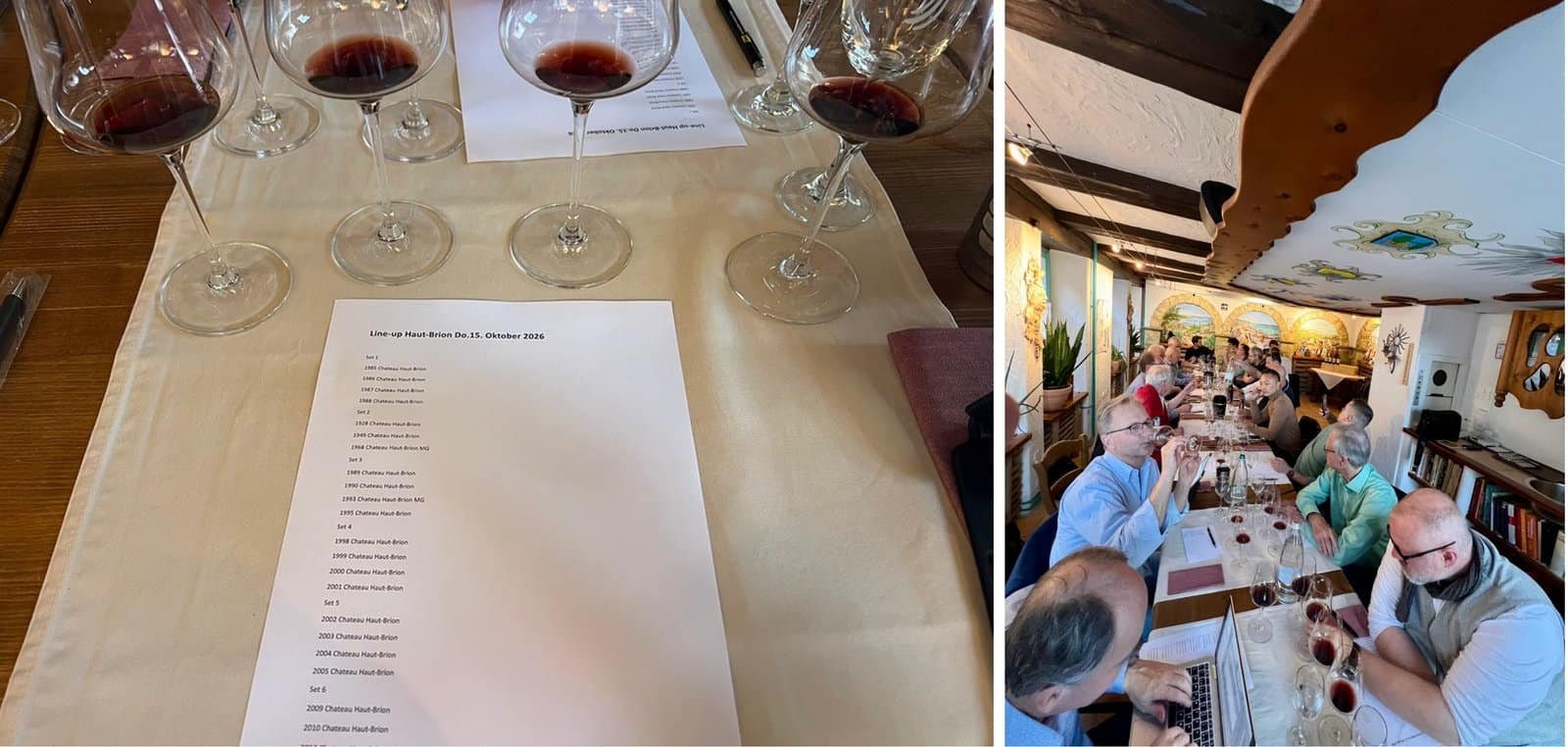
An experienced Bordeaux drinker group was inspecting the wines at the Trattoria Letzi
Flight 3 – The great 1990s, beginning with 1989
1989 Château Haut-Brion – 100 points
Extraordinary. A wine of monumental concentration and astonishing youthfulness, from a bottle in impeccable condition. The color remains deep, while the bouquet unfolds in layers of sweet dark fruit, tobacco, exotic spices, earth and the unmistakable complexity of great Haut-Brion. The palate has density, yet everything is beautifully integrated, with no sense of heaviness or excess. Tasted blind, I might easily have placed this in 2000 or even 2005, age wise. What makes this wine so nice is not simply its power, but the way that power is married to complexity, freshness and complete harmony. One of the great Bordeaux wines, and on this showing fully deserving of a perfect score.
1990 Château Haut-Brion – 96 points
A very different expression from the 1989, and considerably more advanced in its evolution. The bouquet is sweeter and more opulent, with ripe, touching stewed fruit, a suggestion of warmth and a generous, expansive aromatic profile. There are no signs of oxidation though, but the wine is clearly further along its drinking plateau. Rich and enveloping on the palate, with a softer, more accessible disposition than the 1989. An excellent Haut-Brion in its own right, though it does not possess as much depth, precision and youthful authority of the 1989.
1993 Château Haut-Brion – 95 points
Served from magnum. A delightful wine, and another persuasive demonstration of Haut-Brion’s ability to excel in supposedly modest vintages. The bouquet is wonderfully fragrant, with delicate floral notes and an almost ethereal aromatic lift. The palate is relatively light, particularly in the context of this flight, but what it lacks in sheer concentration it compensates for with finesse, elegance and composure. There is nothing forced or excessive here. A beautifully mature, classical Bordeaux that offers enormous pleasure through its balance rather than its power.
1995 Château Haut-Brion – 96 points
A wonderfully complete and harmonious Haut-Brion. The bouquet combines mature aromatic complexity with a fine core of fruit, palate strikes a good balance between structure and generosity. Particularly good is the quality of the tannins, which are sufficiently ripe and integrated to avoid the drying, occasionally austere character that can afflict many Bordeaux 1995. A lovely example of fully mature, classical Bordeaux.
Flight 4 – The turn of the millennium
1998 Château Haut-Brion – 92 points
A distinctly tertiary bouquet, dominated by forest floor, pine needles, peat and earthy complexity. The palate, however, is rather lean, with drying tannins and insufficient fruit remaining to provide the necessary balance. This is a recurring difficulty I encounter with the 1998 vintage: the structural elements can outlast the fruit, leaving a wine that is intellectually interesting but less satisfying to drink. I had better 1998 bottles than this one, I should mention.
1999 Château Haut-Brion – 95 points
Clearly superior to the 1998, with greater fruit density and a much more complete sense of balance. The nose is particularly attractive, offering a harmonious interplay of red and blue fruits, supported by the developing complexity of mature Bordeaux. There is a lovely ripeness here, but without any suggestion of excess. The palate is generous yet composed, with sufficient concentration to carry the wine through to a satisfying finish. Drinking beautifully now, and another example of a less celebrated vintage delivering considerable pleasure.
2000 Château Haut-Brion – 95 points
A powerful, dense and still remarkably youthful Haut-Brion. The fruit is concentrated and ripe, while a substantial framework of tannins indicates that the wine has further evolution ahead of it. There is no questioning the quality of the raw material or the scale of the wine. My slight reservation concerns the degree of ripeness in the fruit profile, which already leans towards the more opulent end of the spectrum. It will be interesting to see whether this richness evolves gracefully or becomes more problematic with further bottle age. An impressive wine, though not entirely without questions about its long-term trajectory.
2001 Château Haut-Brion – 94 points
A comparatively youthful aromatic profile, with fresh red fruits, cranberry and a lively, almost tart edge. The palate is marked by pronounced acidity and a slightly lighter concentration of fruit, which gives the wine a certain sense of dilution when compared with the more substantial vintages. Nevertheless, the freshness is appealing, and there is an underlying classical character that I rather admire. Not among the most profound Haut-Brions, but a very good wine, and these are reservations made at a decidedly high level. Talking about lesser vintages, I liked the 2002 better.
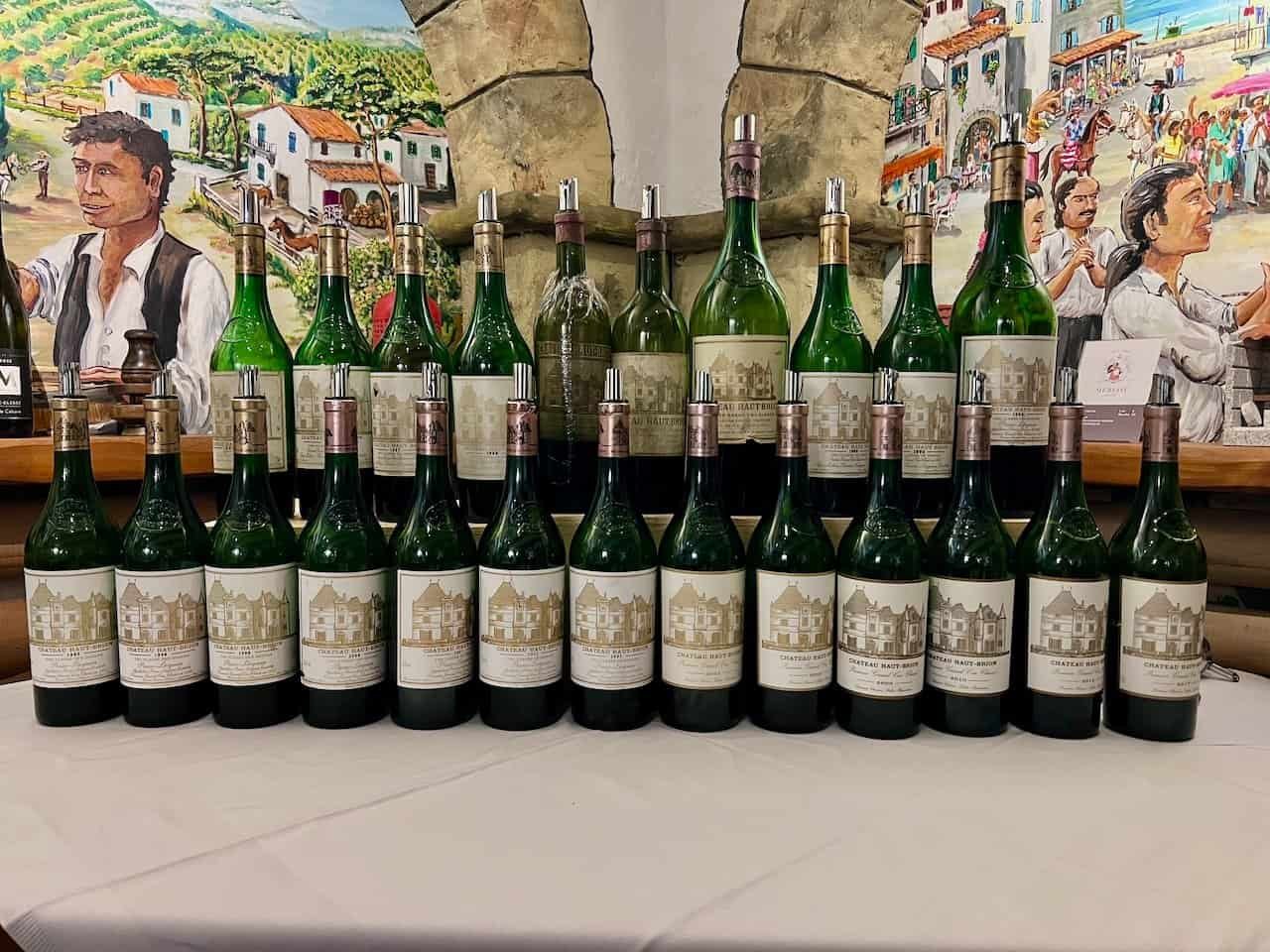
The line up of the evening
Flight 5 – The mid-2000s
2002 Château Haut-Brion – 95 points
A splendid surprise, and one of the most enjoyable wines of the evening. The bouquet is beautifully composed, with cool blue fruits, pine needles and an attractive touch of eucalyptus. There is a freshness and aromatic precision here that immediately distinguishes it from the more opulent vintages. Medium-bodied on the palate, but by no means dilute, with supple tannins and a lovely sense of harmony. Nothing is exaggerated, and the wine is all the better for it. A compelling example of how Haut-Brion can excel in a supposedly difficult vintage. Classical, understated and thoroughly satisfying. 95+
2003 Château Haut-Brion – 87 points
This has not aged well. A disappointing showing. The bouquet is dominated by cooked fruit, roasted coffee notes and a pronounced suggestion of heat, with an almost Port-like richness that is entirely foreign to my conception of great classical Bordeaux. The palate is heavy and overripe, lacking the freshness, aromatic definition and structural restraint one expects from a First Growth. The extreme heat of 2003 is written all over this wine. Whatever its concentration, it offers little of the elegance or typicity that makes Haut-Brion special. A wine I would actively avoid on this showing.
2004 Château Haut-Brion – 89 points
Strange bottle, a disjointed performance. The bouquet moves uneasily between ripe fruit, green vegetal nuances and an almost confectionery sweetness, without settling into a convincing aromatic identity. The palate is similarly unsettled, with drying tannins and a lack of integration between its various components. There is enough material to suggest that the wine should be capable of more, but the overall impression is distinctly unharmonious. One wonders whether this was an entirely representative bottle. 89?
2005 Château Haut-Brion – 95 points
A substantial Haut-Brion, still very youthful in its development. The fruit is ripe and concentrated, supported by a lots of structural framework that will require further time to resolve. There is admirable depth and density here, with all the elements necessary for a long-lived wine. Nevertheless, the overall impression is quite rich, and I find myself wishing for a little more aromatic complexity. An very good, undoubtedly, but one whose ultimate greatness will depend on how gracefully this generous fruit profile evolves.
Flight 6 – Modern flagships
2009 Château Haut-Brion — 94 points
A very ripe and decidedly opulent expression of Haut-Brion. The bouquet is dominated by rich, cooked fruit, roasted notes and a pronounced rumtopf character, with the fruit appearing almost macerated in its intensity. Stylistically, it seems to occupy a position somewhere between the concentrated 2005 and the excessively hot 2003, which is not an entirely reassuring comparison. The palate possesses considerable substance, but the degree of ripeness compromises the freshness and classical definition that I seek in great Bordeaux. I have serious reservations about how this wine will develop over the longer term. An impressive achievement in terms of concentration, perhaps, but not one that particularly appeals to my palate.
2010 Château Haut-Brion – 98 points
What contrast to the 2009. The nsoe is immediately more precise, complex and invigorating, with beautifully defined cool blue fruits, mint, pine and a wealth of subtle aromatic detail. There is exceptional depth here, but the fruit retains a freshness and clarity that prevents the wine from ever feeling heavy. The palate is powerful, certainly, yet composed, with a sense of structural authority and balance that marks it out as a great Haut-Brion. Everything is dialed up, but in proportion. A wine of enormous potential, and a compelling reminder that concentration and classical elegance need not be mutually exclusive. Stylistically closest to the 1989.
2012 Château Haut-Brion – 96 points
Another convincing demonstration of a recurring theme throughout this tasting: Haut-Brion can be particularly successful in cooler, less celebrated vintages. The wine possesses attractive ripeness without excess, supported by a harmonious structure and a welcome sense of freshness. There is sufficient depth and substance to satisfy, but the overall impression is one of balance rather than power. The estate’s relatively high proportion of Merlot and its sheltered terroir may well have worked to its advantage in a year such as this. A very fine, classically proportioned Haut-Brion.
2017 Château Haut-Brion – 94-96
A youthful and relatively delicate expression, with a fragrant bouquet of raspberry, floral notes and a slightly unusual, almost soapy aromatic nuance. The palate is composed and comparatively light on its feet, soft tannins, with a sense of freshness and restraint that is most appealing. Still at an early stage of development, and clearly in need of further bottle age to reveal its full aromatic profile. An elegant rather than powerful Haut-Brion, with an attractive underlying sense of balance. Do not open before 2032.
October 2026