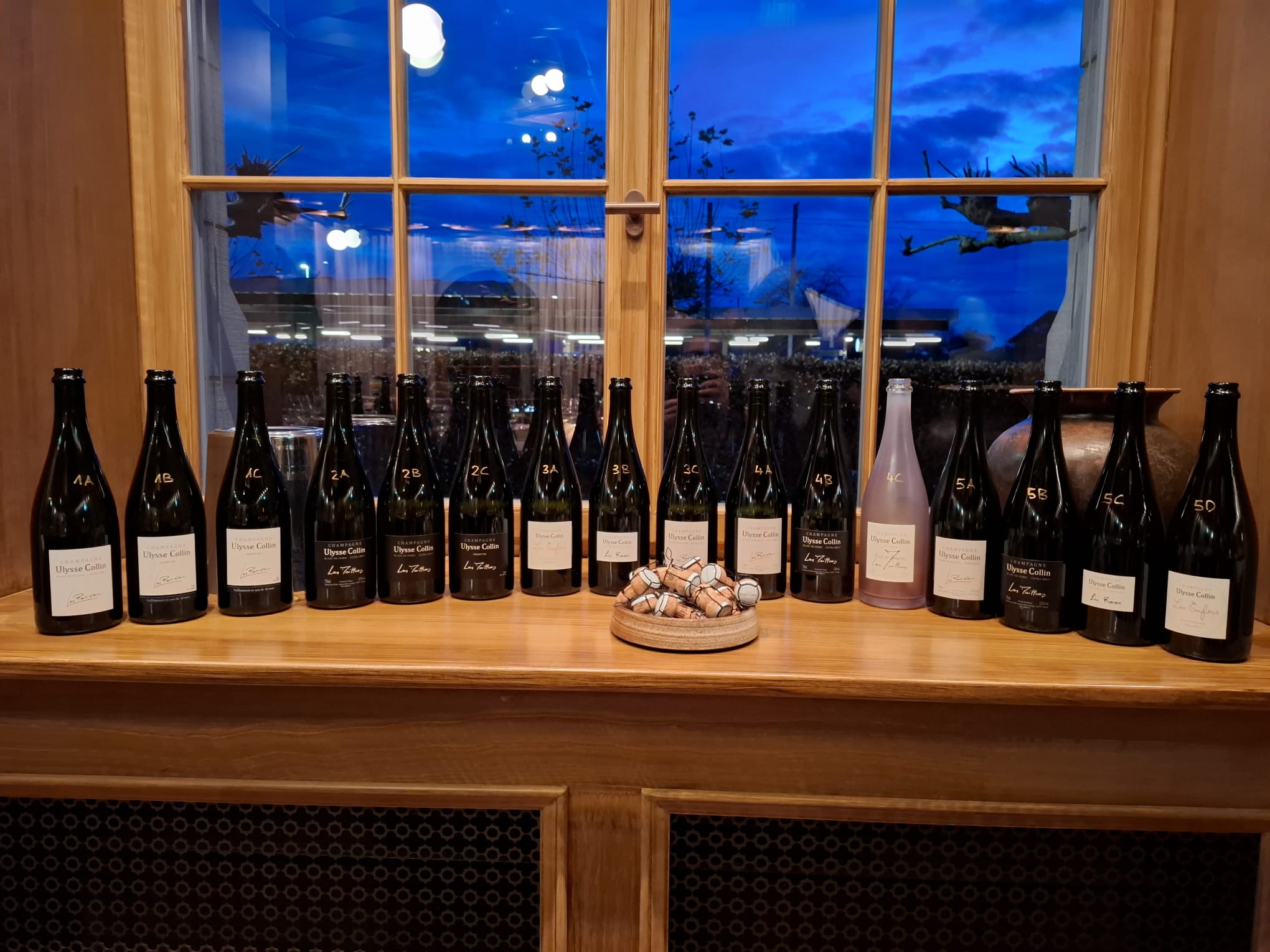
Our recent tasting of a wide range of younger and aged Ulysse Collin Champagnes offered the perfect occasion to revisit one of Champagne’s most influential growers of the past two decades. Domaine Ulysse Collin is located in the small village of Congy in the Val du Petit Morin, between the Côte des Sézanne in the South-West and the Côte des Blancs in the North-East. The brilliant Olivier Collin has transformed his family’s domaine into a benchmark for terroir-driven, single-vineyard Grower Champagne.
The family had been growing grapes since the 1800s on 8.7 hectares, but as many growers back then, sold everything to a large Champagne House. After studying law, Olivier had a change of heart and decided to turn his back on a legal career and to continue the family tradition, but according to his own ideas. A stage with the influential Anselme Selosse helped him to get an even clearer vision of the direction he wanted to pursue. After a legal battle to regain control over the family’s vineyards, Olivier was ready to start making his own wines, with 2004 being the first vintage under his reign. The vineyards are now farmed almost organically, with much less intervention in the vineyards than when the grapes were sold. Olivier’s philosophy—rooted in meticulous vineyard work, long lees aging, and parcel-by-parcel vinification—places each site at the center of the story, creating wines that are as much geological expressions as they are stylistic ones.
The Vineyards: Distinctive Soils, Unique Voices
Olivier Collin works primarily with five lieux-dits, each with a clearly defined personality. The domaine’s holdings lie along the transitional zone between the Côte des Blancs and the Côteaux du Sézannais, where chalk meets clay, silex (flint), and pockets of sand—materials that give Collin’s wines an unusually textural, sometimes electric profile. Due to the transparency of the wines to site and the vinous and textural style, the Ulysse Collin wines have also been called “Burgundy with bubbles” by various writers.
Les Pierrières (Chardonnay)
Perhaps the domaine’s most emblematic site, Les Pierrières mixes chalk with a remarkable seam of silex, which is extremely rare in Champagne. This combination yields a wine of razor-sharp definition: saline, flinty, focused, vibrating with citrus and mineral tension. It is usually the most linear and high-energy of Collin’s cuvées, often showing a smoky, gunflint note reminiscent of great Loire or Chablis terroirs. Elevage on the lees is now 48 months (before 36 months).
Les Enfers (Chardonnay)
From deep chalk with some clay components, Les Enfers delivers a richer, more textural expression than Pierrières. It remains precise, but with deeper fruit—stone fruits, almond, and creamy undertones—supported by a broad, layered palate. This is probably also supported by the wines longer elevage on the lees of 60 months.
Les Roises (Chardonnay)
Les Roises shows the most generosity among the Chardonnay cuvées. Clay-rich soils add weight and amplitude, creating a wine that is opulent without being heavy. Yellow fruit, pastry, and an enveloping, almost oily texture are typical. Despite its depth, it retains Collin’s signature tension through mineral detail and long élevage (now 60 months on the lees, before 48 months).
Les Maillons (Pinot Noir; blanc de noirs and rosé de saignée)
An iron-rich clay site in Barbonne-Fayel, Les Maillons gives dense, structured Pinot Noir with dark cherry fruit, spice, and firm grip. The blanc de noirs is muscular and vinous, often showing red-fruited power and earthy depth. Elevage on the lees is now 48 months (used to be 36). The rosé de saignée, produced through a brief maceration, is intensely flavored, aromatic, and gastronomic—one of the most distinctive rosés in Champagne.
Jardin d’Ulysse (Pinot Noir)
An even rarer bottling and newer addition to the domaine, Jardin d’Ulysse is more delicate than Maillons, often mixing red-fruit clarity with floral lift. It offers a counterpoint to the power of Maillons, showing Collin’s growing range with Pinot Noir. Elevage is 60 months on the lees.
Winemaking: Precision, Purity, and Long Élevage
Olivier Collin’s winemaking is shaped by several core pillars:
Meticulous Vineyard Work and Barrel Fermentation and Aging
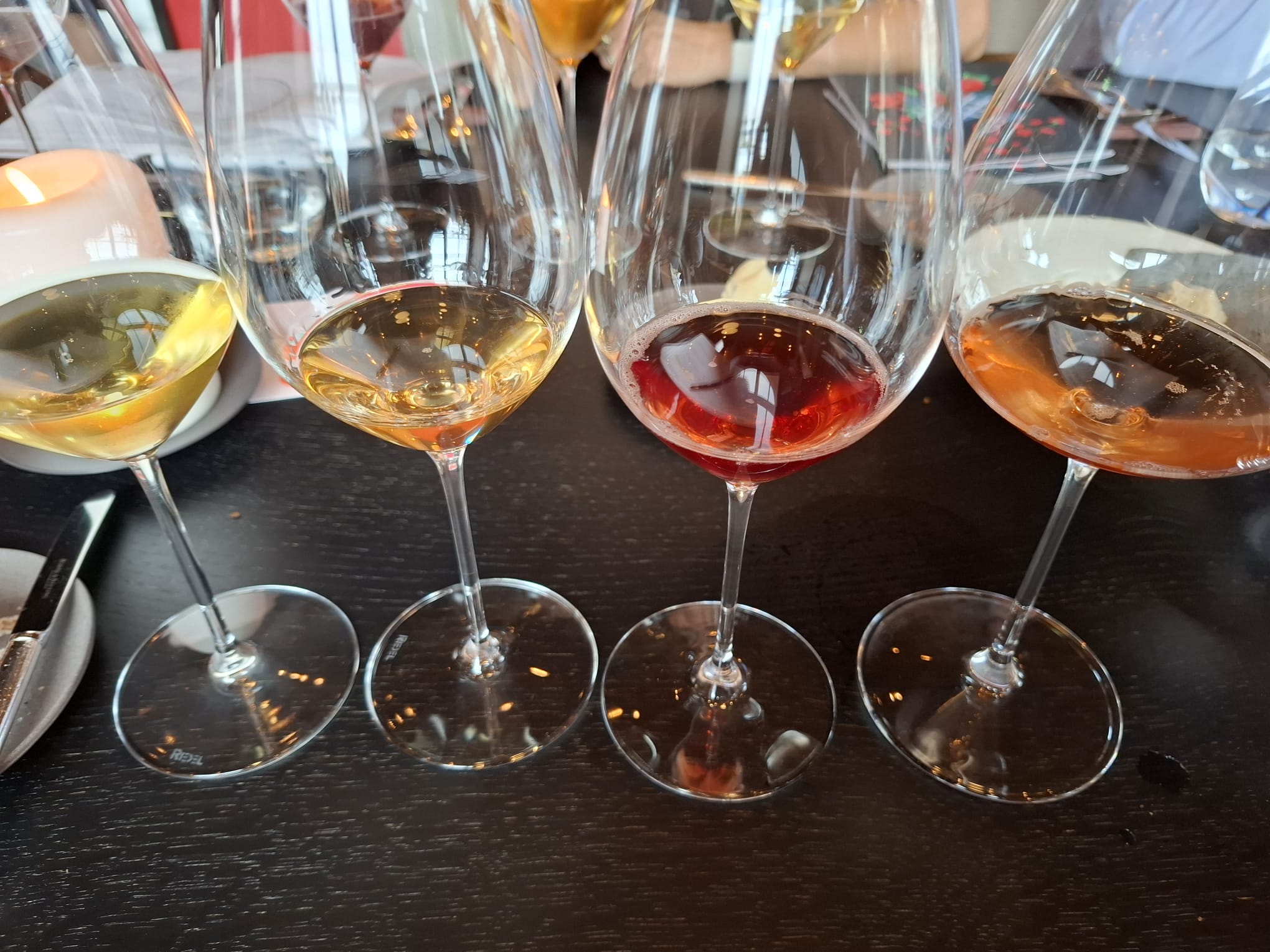
Only perfectly ripe and excellent quality grapes make the cut. All wines ferment and age in oak—mostly older barrels—which adds breadth and texture without overt woodiness. This approach, influenced by his time with Anselme Selosse, helps build depth and micro-oxygenation. It is also costly and leads to a substantial “loss of wine” through evaporation.
Very Long Lees Élevage
Collin typically ages his wines 3 to 5+ years on the lees, sometimes longer. This contributes both aromatic complexity and a characteristic creaminess that balances his vineyards’ natural tension.
Low Dosage, Low Intervention
Dosage is kept at extra-brut levels or lower, allowing each site’s intrinsic structure to take the lead. The wines are neither filtered nor aggressively fined, maintaining purity and phenolic presence.
Evolution of Style Over the Years
The development of the domaine can be broadly divided into three phases:
Early years (mid-2000s):
The first releases were already distinctive, but slightly more rustic, with more visible oak imprint, firmer edges, and a boldly vinous character. They established Collin’s identity but showed a producer still refining the balance between power and finesse.
Maturation of the style (2010s):
The wines gained precision as viticulture improved and barrel use became more seamless. Lees aging lengthened, and the cuvées showed greater clarity of site: Pierrières became more chiselled, Enfers more detailed, Maillons more controlled in its power.
Recent vintages (late 2010s–present):
The style has reached a point of extraordinary transparency and definition. Oak is now purely a textural tool, not a flavor. The wines carry greater refinement, polish, and a sense of effortlessness while retaining their trademark intensity and energy. Critics widely regard his recent releases as the most complete expressions of each vineyard to date.
Over the years, Olivier has also started to retain 20 – 40% of each vintage as reserve wines. These reserves are then added to specific vintages to create even more complexity and a more even quality without losing the characteristics of the specific base vintage. In my opinion, through the addition of reserve wines the Champagnes have also become more approachable in their youth, particularly compared to the early wines of Olivier, that always required a few years in bottle to open up and soften their edges.
The slight change in style was something that caught our attention in this broad tasting. A smaller minority in our tasting group thought, that the newer wines lost some individuality and showed more similar to House Champagnes than the earlier vintages. While I do appreciate this point of view, from my perspective Ulysse Collin still sits very firmly in the Growers camp and is stylistically very different from most of the large houses.
Reception in the Market and Cult Status
Ulysse Collin has evolved from an originally under the radar grower to global cult producer.
Collectors and sommeliers prize the wines for their precision, longevity, and singularity, while critics routinely rank them among the most terroir-expressive Champagnes of the modern grower movement. Limited production and parcel specificity create scarcity, leading to high demand, tight allocations, and a very tight secondary market with prices that have been skyrocketing. With current market prices and very limited availability of the wines, it is safe to say that this was a very unique and probably a once in a lifetime tasting.
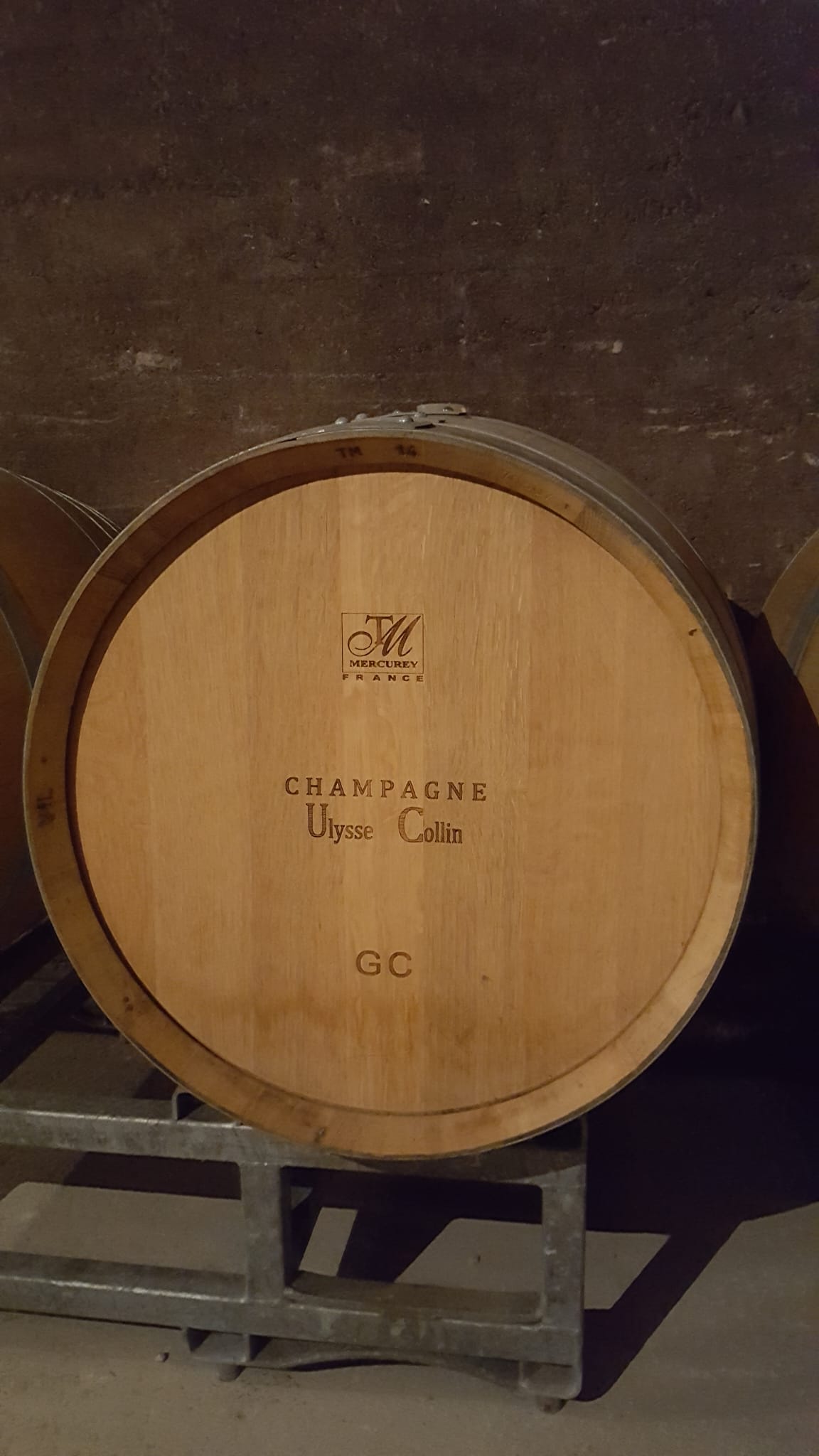
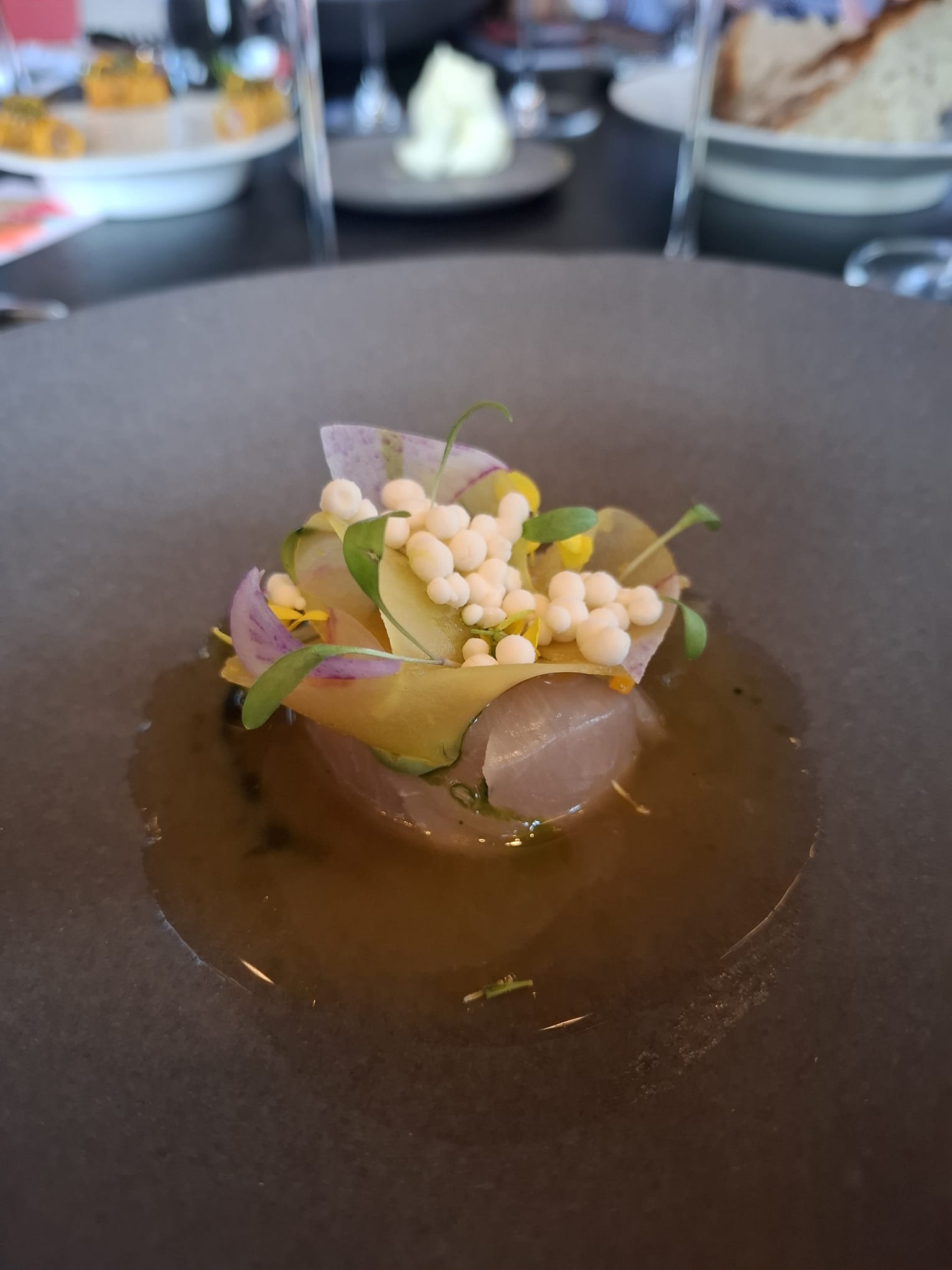
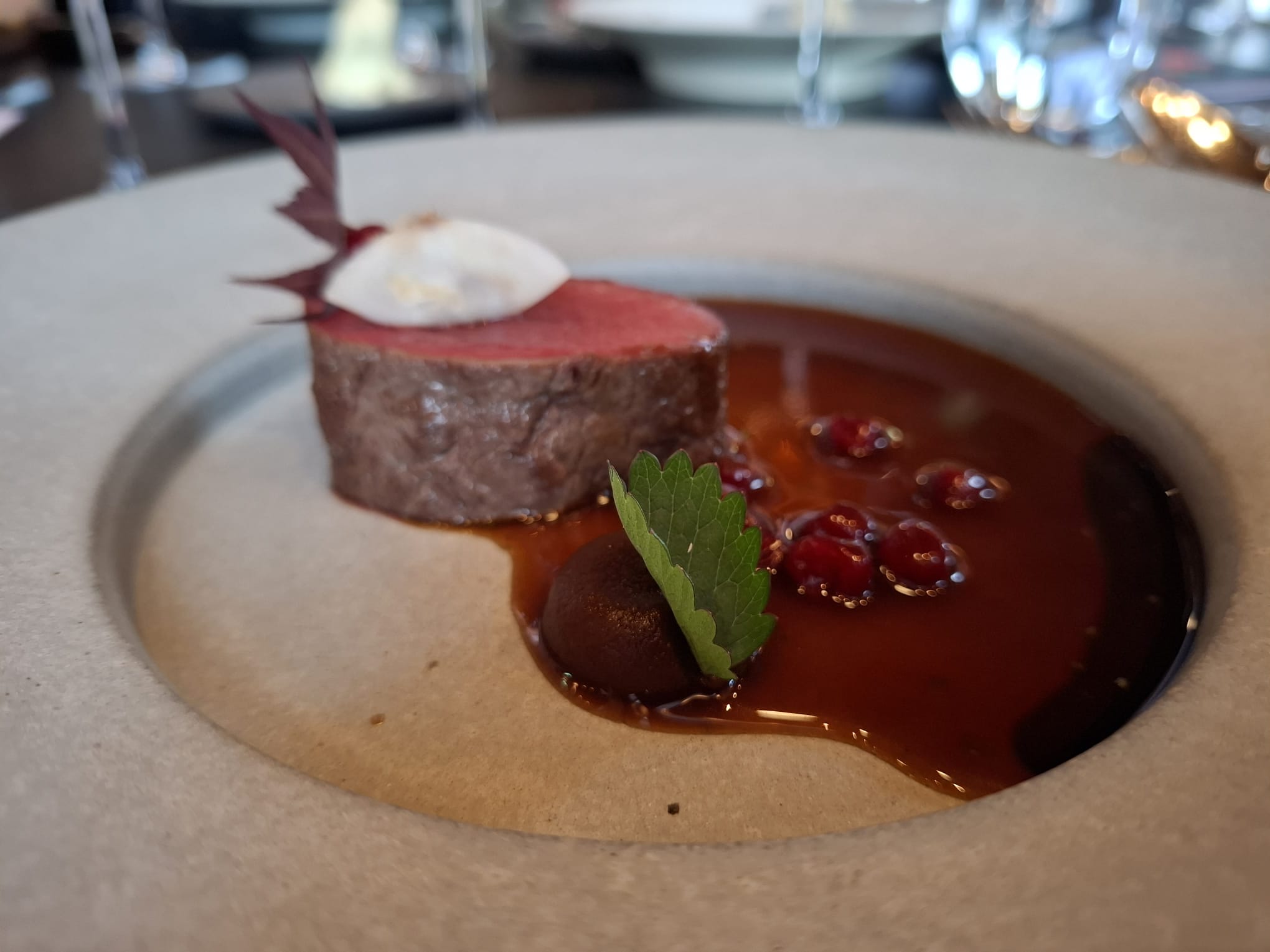
The tasting was held at the beautiful restaurant “Mammertsberg” with two Michelin stars and hosted by Roger Bischof, as always in a very professional and convivial atmosphere. The wines were served in flights of three, with some additional wines to pair the menu with. I was also particularly impressed by the tasting menu provided from the kitchen of Silvio Germann. The dishes were both incredibly beautiful, elegant and also provided excellent pairings with these unique wines.
The wines tasted
Aperitif 1
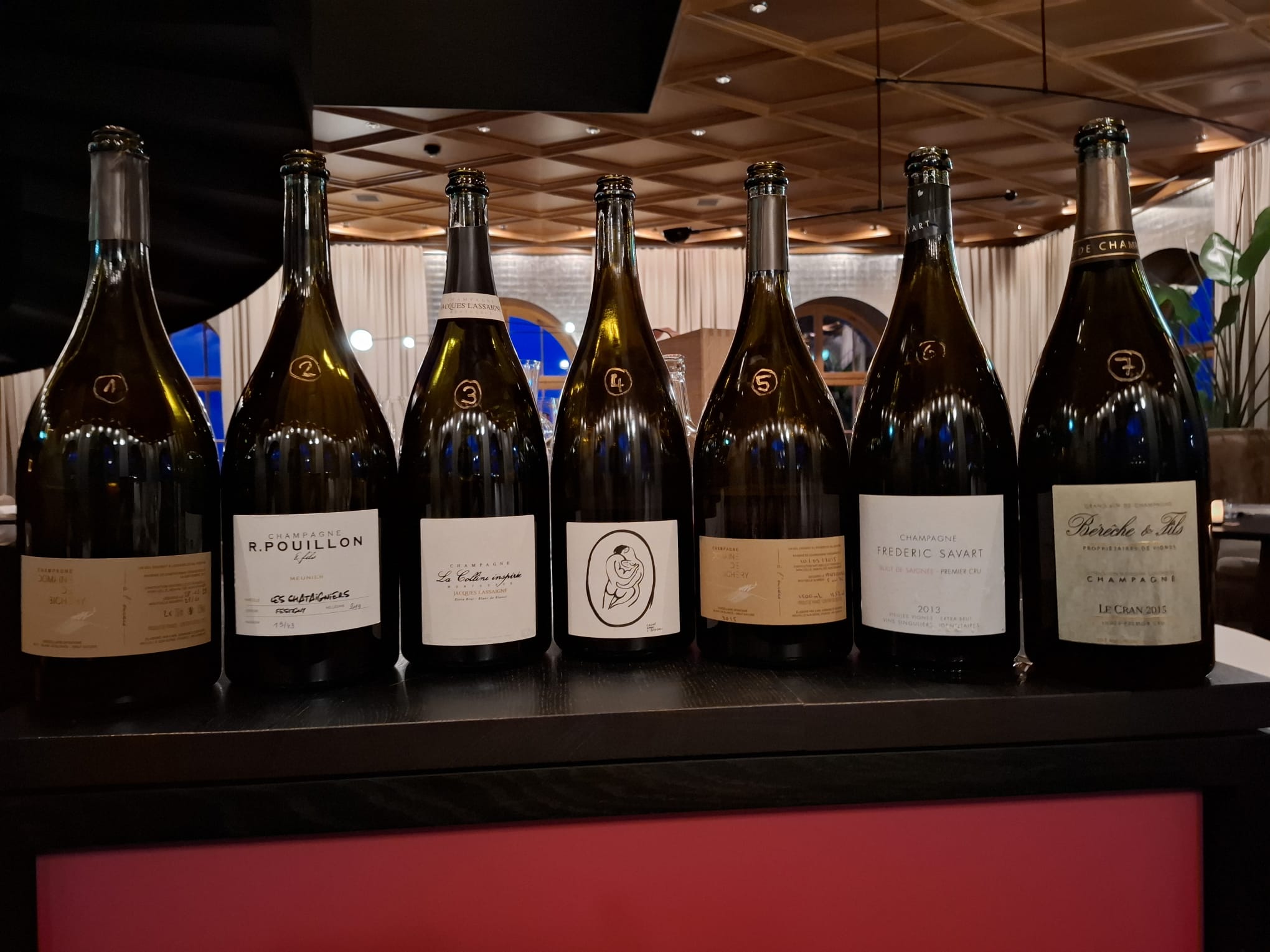
Domaine de Bichery, Blanc de Blancs, Brut Nature, “à l’envers” 2017, 93 points
Deg. 02/2021, 100% Chardonnay. Magnum.
Ripe and round, with a certain opulence, showing notes of ripe apple, ripe yellow pear, minerality, but also some sweet spices and some honey. Pretty full bodied, with good acidity and a certain savoury style balancing the body. Very charming and round, but with enough freshness.
Aperitif 2
R. Pouillon et fils, Extra Brut, Les Chataigniers 2019, 95 points
100% Pinot Meunier, Dosage 2g, Magnum.
Notes of slightly brownish apple, some soy, also some herbal and floral notes, quince, slightly reductive notes of matchstick/flint. Medium-full bodied, with excellent freshness of medium-high acidity but also beautiful roundness. Fascinating extra dimension through the touch of reduction, reminding me of great white Burgundies like Coche-Dury. Good length. Excellent.
Flight 1
1.) Ulysse Collin, Blanc de Blancs, Extra Brut, “Les Pierrières” (2016), 96+ points
100% Chardonnay, deg. 03/2020.
First slightly closed and tense, but then showing notes of sweet spices, some vanilla, ripe apple, but more discreet and young. Salty mineral note with some rounder finish, medium-full but with medium-high acidity balancing everything. Opening up with some air, showing notes of candied ginger, etc. Good length.
2.) Ulysse Collin, Blanc de Blancs, Extra Brut, “Les Pierrières” (2018), 94 points
100% Chardonnay, deg. 02/2023.
Notes of sweet spices, some ripe orchard, but also almost smoky minerality, also some floral notes, a touch exotic, but still tense enough through the minerality and some acidity. Slightly richer than 2016, with a touch of adstringency adding depth. Long finish. Riper and more giving at the moment, but could use a touch more acidity.
3.) Ulysse Collin, Blanc de Blancs, Extra Brut, “Les Pierrières” (2020), 95 points
100% Chardonnay, deg. 01/2025
More approachable, with some floral overtones, white blossoms, also some orchard again, combining the ripeness of the 2018 rendition with some more freshness, but maybe not the depth. Almost sweet ripeness, but with nice acidity cutting through everything, there is a touch of herbal greenness, but perfectly integrated. Very good, particularly in the context of the vintage.
Interlude 1
Jacques Lassaigne, Blanc de Blancs, Extra Brut “La Colline Inspirée”, 93 points
100% Chardonnay, deg. 05/2024. Magnum.
Notes of flowers, but also some citrus, orchard, almonds, more on the fresh side, with smoky mineral notes. Medium+ bodied, with very good medium-high acidity and nice length.
Flight 2
4.) Ulysse Collin, Blanc de Noirs, Extra Brut, ”Les Maillons” (2015), 96 points
100% Pinot Noir, deg. 03/2019.
This is showing more ripeness, but is superbly complex, with smoky mineral notes, sweet red berries, cranberries, citrus, sweet spices, also some mint, ginger, but also a touch of greenish herbal notes. Some smoke with some more air. Full-bodied and powerful, but with high acidity adding precision and freshness. Excellent showing.
5.) Ulysse Collin, Blanc de Noirs, Extra Brut, ”Les Maillons” (2017), 95 points
100% Pinot Noir, deg. 03/2021.
Very aromatic, nice complexity of ripe orchard, particularly ripe pear, but also some red berries, smoky mineral undertone, also some floral notes, candied ginger. Full bodied and pretty powerful, with medium-high acidity and superb depth, especially in the context of the vintage… Excellent length.
6.) Ulysse Collin, Blanc de Noirs, Extra Brut, ”Les Maillons” (2019), 97+ points
100% Pinot Noir, deg. 02/2023.
Wow, this is good. The most complete of the Les Maillons at this stage. Still young and fresh, but so much precision and tension. There are notes of candied ginger, ripe orchard, dark red berries, but less ripe than 2015 and 2017 base vintage, some tobacco notes, too, smoky minerality, some salty notes too, excellent complexity and potential. Full-bodied, with high acidity and excellent depth. Superb bottle.
Interlude 2
Charles Dufour, Champagne Bulles de Comptoir # 12 “Cache dans l’Evidence” (2021), 88 points
60% Pinot Noir, 30% Chardonnay, 10% Pinot Blanc, 2g dosage, deg. 01/2024, no sulphur, Magnum.
A controversial wine. It stood out in this line-up of top notch Champagnes for being very unique. Firmly in the natural camp, this is showing funkier, but also with notes of herbs and sweetish fruit, also some exotic fruit and autolytic notes. It’s medium-full bodied, has some medium length, relatively good freshness. The more air it got, the more “natural” and funky it became and it started to fall apart, from my perspective. This is slightly too natural for me and I can’t picture this aging well. Others at the table liked it more than I did. Drink up.
Flight 3
7.) Ulysse Collin, Blanc de Blancs, Extra Brut, “Les Enfers” (2010), not rated
100% Chardonnay, deg. 02/2015.
Unfortunately, slight TCA, still enjoyable though. Notes of ripe orchard, but also some austerity, there is patina, but the slight flaw is impairing the complexity a little bit. Medium-full bodied, with high acidity, long finish and overall still a lot of character. (NR)
8.) Ulysse Collin, Blanc de Blancs, Extra Brut, ”Les Roises” (2011), 94 points
100% Chardonnay, deg. 02/2015.
Explosive and rich, with sweet spices, some herbal notes, also riper apple and pears, honey, also a nice vein of minerality, there is the Roises richness, but also soemm 11 greenish note, still superb overall. Medium-full bodied, with medium+ acidity and good length. A stunning achievement in this super difficult vintage, just showing a hint of the greenness that is very dominant in many wines of the year.
9.) Ulysse Collin, Blanc de Blancs, Extra Brut, “Les Pierrières” (2011), 94 points
100% Chardonnay, deg. 02/2015.
Very aromatic and in a perfect drinking window, with notes of sweet spices, citrus, good complexity and also nice freshness. Layered and pretty complex, with medium-full body and good acidity. Good finish. Excellent for the vintage.
Interlude 3
Domaine de Bichery, Blanc de Blancs, Brut Nature, “à l’envers” (2015), 91 points
100% Chardonnay, zero dosage, deg. 03/2020, Magnum.
Super ripe, charming and slightly warmer in aromatics, but showing nice overall balance. Notes of sweet spices, ripe fruit, slightly simple but very charming. First vintage of the wine.
Flight 4
10.) Ulysse Collin, Blanc de Blancs, Extra Brut, “Les Pierrières” (2012), 98 points
100% Chardonnay, deg. 03/2015
Spectacular bottle and one of the standouts among many truly great bottles. Super pure, with notes of ripe pear, apple, also some christmas spices, salty minerality, mint, but also some layered complexity building up. Notes of wet leaves. Medium-full bodied, superb persistence, and excellent freshness of high acidity adding to the great precision. Excellent length. Champagne of the very highest level.
11. ) Ulysse Collin, Blanc de Noirs, Extra Brut, ”Les Maillons” (2012), 93 points
100% Pinot Noir, deg. 03/2015.
More advanced and oxidative in the nose than Pierrieres next to it. Also slightly more advanced than other bottles of this I had. But still aromatic, with notes of red berries, some hazelnut, also some notes of underwood. A little too advanced to be truly great, but that is maybe complaining on a very high level. Good length.
12.) Ulysse Collin, Blanc de Noirs, Extra Brut, ”Les Maillons” Rosé de Saignée (2012), 97 points
100% Pinot Noir, saignée method, deg. 03/2015.
Notes of chinato, some vermouth, ripe pure strawberries, sweet spices, floral notes, elderflowers, cassis, there is also a salty deep mineral note, just a touch of phenolic bitterness adding some adstringency. Full-bodied, dense and powerful, with high bracing acidity and extreme length. I love this. Slightly polarizing bottle, but just so intense, layered and complex, with very unique and explosive aromatics. One of the standouts for me.
Interlude 4
Savart, Brut 1er Cru Bulle Rosé de Saignée (2013), 92 points
65% Pinot Noir, 30% Chardonnay, 5% red wine, deg. 05/2020. Magnum
Aromatic, but also slightly oxidative with notes of again some vermouth, but also notes of red berries and some floral notes, a touch of smokiness, too. Medium+ bodied, with good medium+ acidity and moderate length. Seemed a little rustic next to the Ulysse Collin, but it was also a challenging benchmark.
Flight 5
13.) Ulysse Collin, Blanc de Blancs, Extra Brut, “Les Pierrières” (2014), 97+ points
100% Chardonnay, deg. 03/2018.
Very aromatic, with notes of citrus, some just ripe apple, sweet spices, minerality, floral notes, there is also a candied ginger element again. Medium-full bodied, with superb freshness, high acidity and long finish. Excellent but very linear and so full of tension. A child of the vintage with that extra Olivier Collin touch, superb bottle.
14.) Ulysse Collin, Blanc de Noirs, Extra Brut, ”Les Maillons” (2014), 98 points
100% Pinot Noir, deg. 03/2018.
Notes of orchard, but also some cranberries, smoky mineral notes, also some saline minerality, and some darker floral notes. Full-bodied, with bracing high acidity and superb tension. Depth and power without weight, highest level of Champagne and one of the WOTN.
15.) Ulysse Collin, Blanc de Blancs, Extra Brut, ”Les Roises” (2014), 96 points
100% Chardonnay, deg. 03/2019.
Explosive, very aromatic with notes of slightly brownish apple, citrus, lemon zest, minerality, also some apricot, also deeply mineral, with a chalky undertone. Quite full-bodied, with nice tension, high acidity and very good length. Excellent.
16.) Ulysse Collin, Blanc de Blancs, Extra Brut, “Les Enfers” (2014), 94 points
100% Chardonnay, deg. 03/2019.
Very nice aromatics, but more oxidative and mature than the other 2014s. Notes of ripe and savory notes, too, more aged then fresh fruit. Pretty full bodied, with medium-high acidity and some pretty long finish. Very good, but I am not the biggest fan yet among the other wines of Olivier Collin.
Encore
Bérêche et fils, 1er Cru “Le Cran” Ludes 2015, 96 points
50% Pinot Noir, 50% Chardonnay, deg. 07/2022.
Tasted blind. Super straight, linear and extremely fresh, especially in the context of the vintage. Notes of fresh apple, some reduction, sweet spices, floral notes, but also expressive minerality, this is showing great balance between freshness and the opulence of the vintage. Opening up with some more air, adding a touch of oxidative notes too, riper notes and sweetness. Superb length. Love this and there are none of the greenish notes this vintage can show. Impressive end to a spectacular tasting.